
The historical evolution of gambling a journey through time and chance
The Origins of Gambling
The practice of gambling can be traced back thousands of years, with its roots embedded in ancient civilizations. Archaeological findings suggest that the earliest forms of gambling were evident in China around 2300 BC, where rudimentary games of chance were played using dice and other similar objects. These activities were not merely for entertainment; they often had ritualistic significance, linking them to the culture and spirituality of the people. Today, many enthusiasts prefer to explore options like best online slots for their gaming experience.

Similarly, ancient Egyptian artifacts reveal that gaming was a popular pastime, with board games and betting evident in their social gatherings. This early foundation of gambling demonstrates its role in human society, blending recreation with the thrill of chance and luck, which continues to be a defining aspect of gambling today.
The Evolution of Games and Regulations
As societies evolved, so did the games and regulations surrounding gambling. In ancient Rome, gambling became an integral part of society, particularly during festivals and celebrations. However, it also faced significant scrutiny and regulation. Emperors often imposed restrictions to prevent excessive gambling and protect public morals, reflecting the dual nature of gambling as both a source of enjoyment and a potential vice.
During the Middle Ages, gambling experienced both a decline and a resurgence. The Church opposed gambling, associating it with sin and immorality. Yet, the introduction of card games in the 14th century revitalized interest in gambling, leading to the establishment of games like poker and blackjack that remain popular today. This period marked the beginning of organized gambling, setting the stage for the casinos that would emerge in later centuries.
The Rise of Casinos and Betting Houses
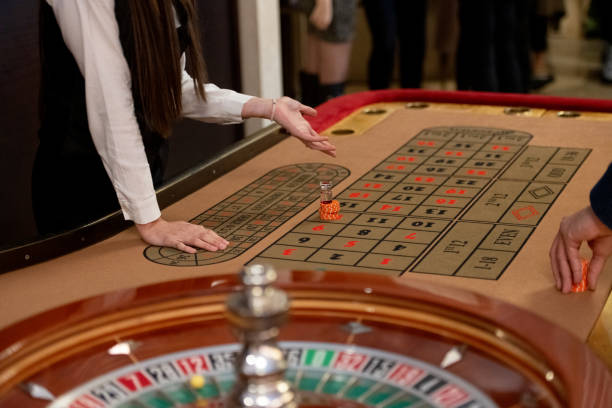
The modern era of gambling began in the 17th century with the establishment of the first official casinos. The Casino di Venezia in Italy, founded in 1638, is recognized as the world’s first casino. This marked a significant shift in how gambling was perceived, moving from informal gatherings to structured environments designed specifically for gaming. The elegance and allure of casinos quickly captivated the affluent classes.
By the 19th century, gambling had spread across Europe and the Americas, with betting houses and racetracks becoming common. This era saw the rise of legalized gambling as governments recognized the potential tax revenue it could generate. However, it also led to increased regulation aimed at curbing the negative social impacts associated with gambling, such as addiction and fraud, balancing enjoyment with social responsibility.
The Impact of Technology on Gambling
The advent of technology in the 20th century transformed gambling once again. The introduction of electronic machines, such as slot machines, revolutionized the gambling landscape. These machines provided a new level of accessibility and excitement, attracting a broader audience and shaping the casino experience.
The rise of the internet in the late 20th century further revolutionized gambling. Online casinos and betting platforms emerged, allowing individuals to engage in gambling from the comfort of their homes. This shift not only expanded the reach of gambling but also prompted discussions on responsible gambling practices and the need for consumer protections in this new digital realm.
Understanding Responsible Gambling Today
Today, responsible gambling is more crucial than ever. With the increased accessibility of gambling through online platforms, individuals must understand the importance of maintaining a healthy relationship with gambling activities. Responsible gambling involves setting limits, recognizing the signs of addiction, and seeking help when necessary. It is essential for both individuals and operators to promote safe gambling environments that prioritize player well-being.
Educational initiatives and support systems are being developed worldwide to foster responsible gambling habits. These programs emphasize awareness and prevention, ensuring that individuals can enjoy gaming as a form of entertainment without falling into harmful behaviors. As gambling continues to evolve, these practices will play a vital role in promoting a balanced approach to chance and risk.