
The evolution of gambling uncovering its historical roots
Ancient Beginnings
The origins of gambling can be traced back to ancient civilizations, where games of chance were often woven into the cultural fabric of society. Archaeological evidence suggests that as early as 3000 BC, the Chinese were using rudimentary dice made from bones and other materials for betting purposes. Similarly, ancient Egyptians engaged in various forms of gambling, reflecting its deep-rooted presence in human history. Today, the excitement of games like Aviator captures the essence of this rich heritage.
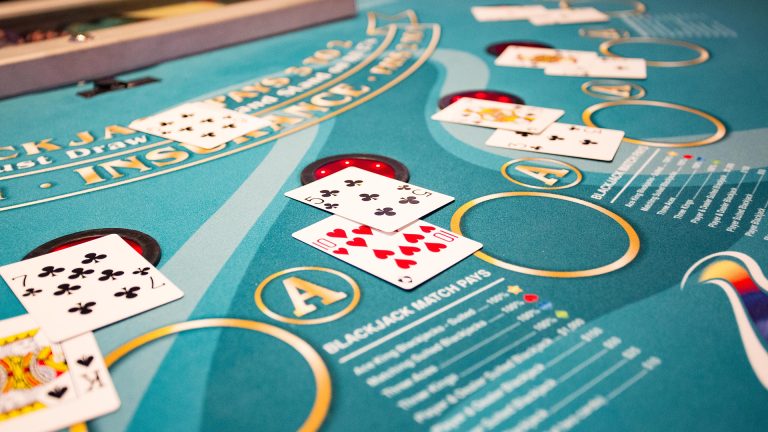
These early forms of gambling often revolved around local customs and rituals. In many cultures, gambling was seen as a way to appease gods or predict the future, merging spiritual beliefs with the thrill of chance. This duality of purpose helped to solidify gambling as an integral part of social interaction and entertainment, paving the way for its evolution throughout history.
Gambling in the Middle Ages
The Middle Ages witnessed a significant transformation in gambling practices, as card games began to emerge in Europe. These games, which were believed to have originated in China, spread rapidly, leading to the development of various gaming houses. During this period, gambling was often associated with the nobility and was regulated by local laws, reflecting its growing significance in society.
However, this era also saw the rise of myths and misconceptions surrounding gambling. Many viewed it as a vice, often linking it to moral decline and societal issues. These perspectives contributed to fluctuating legal frameworks, with some regions embracing gambling as a legitimate pastime, while others sought to suppress it entirely.
The Birth of Modern Gambling
The 17th and 18th centuries marked a turning point in the evolution of gambling, with the establishment of formal betting houses and casinos. The introduction of lotteries became a popular means of raising funds for public projects, showcasing the potential for gambling as a source of revenue. This period also saw the rise of iconic games like roulette and blackjack, which are still beloved today.
As gambling gained popularity, so too did the myths surrounding it. The belief that luck alone determined the outcome of games overshadowed the strategic elements involved in many gambling activities. This misconception has persisted through the centuries, often leading players to engage in reckless betting practices without understanding the underlying mechanics of the games.
Gambling in the Digital Age
The late 20th and early 21st centuries ushered in the digital revolution, dramatically reshaping the landscape of gambling. Online casinos and betting platforms emerged, making it easier than ever for individuals to participate in gambling from the comfort of their homes. This shift has not only expanded accessibility but has also introduced new gaming formats, such as live dealer games and virtual sports.
Despite these advancements, myths and misconceptions continue to plague the industry. Many players still believe that online gambling is inherently less safe or fair than traditional forms of gambling. Educating the public about the regulatory frameworks and security measures in place is essential to combatting these lingering beliefs and promoting responsible gambling habits.

Exploring New Horizons
As the gambling industry evolves, so too does its global reach and influence. Platforms dedicated to modern gambling experiences are reshaping the way individuals engage with these activities. Innovations such as mobile betting and cryptocurrency transactions are gaining traction, appealing to a new generation of players.
The community aspect of online gambling is becoming increasingly prominent, with social features allowing players to connect and engage with one another. This new approach fosters a sense of belonging and competition, enhancing the overall experience. As we look towards the future, understanding the historical context of gambling is crucial in appreciating its current transformation and potential developments ahead.